BMW E92 3.0 Bi-Turbo Stage 2 — 340 HP and Nearly 750 Nm with a Universal FMIC
BMW E92 3.0 Bi-Turbo Stage 2 tuning with a Bosch EDC16 ECU. Universal FMIC installation, dyno testing and ECU remapping to 340 HP and nearly 750 Nm.
 Stage 2
ECU remapping
Bosch EDC16
FMIC
Intercooler upgrade
Dyno testing
Fuel system limitations
EGR
DPF
Throttle valve


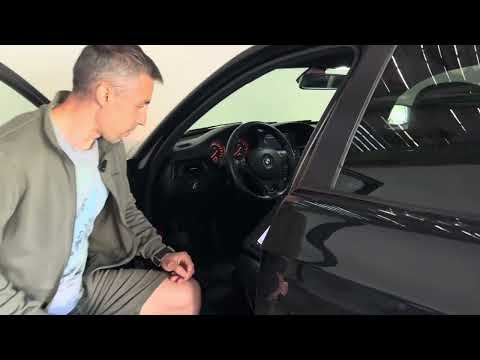
Do you really need an expensive, vehicle-specific intercooler kit to achieve good results from performance tuning? This 2007 BMW E92, equipped with a 3.0-litre twin-turbo diesel engine, demonstrates that a universal front-mounted intercooler (FMIC) can also perform effectively. However, upgrading the intercooler does not mean that engine power can be increased without limits. Correct ECU calibration and the capabilities of the fuel system are equally important.
A Universal FMIC as an Alternative to a Dedicated Kit
The owner of this BMW had already installed a larger universal intercooler before bringing the car to AutoChip. Compared with a model-specific installation kit, a universal intercooler is usually less expensive, but fitting it requires considerably more fabrication and adjustment.
Custom mounting brackets may be needed, along with adapted boost pipes and properly sealed connections. The pipe ends must also be prepared correctly to help prevent boost hoses from slipping off under pressure. In this case, the owner had completed the installation work himself.
The primary purpose of a larger intercooler is to reduce the temperature of compressed air before it enters the engine. Cooler intake air helps maintain more consistent operating conditions under load and reduces the performance limitations associated with excessive intake temperatures.
Checking the Previous ECU Tune on the Dynamometer
This BMW was not running its original factory ECU calibration when it arrived at our workshop. It had already been remapped, so the first step was to measure its existing performance and evaluate whether the calibration could be improved with the upgraded intercooler.
The initial dynamometer test produced approximately 320 HP and 700 Nm with the previous software calibration.
After assessing the results, the AutoChip team revised the Bosch EDC16 engine control software and carried out further dyno runs. The updated calibration delivered approximately 340 HP and nearly 750 Nm.
This represents a gain of around 20 HP and 50 Nm compared with the vehicle's previous tune. These figures should not be interpreted as gains over factory specifications, since the car had already undergone performance modifications before arriving at the workshop.
Why Was Power Not Increased Further?
During calibration, the team explored the possibility of achieving higher output. However, the main limitation became apparent: the standard fuel system. The vehicle still retained its original fuel pumps and other major fuel delivery components.
As engine output increases, so does the demand for fuel delivery. The system must supply the required quantity while maintaining suitable operating parameters. Eventually, the original hardware can reach a point where it can no longer meet the requested demand.
On this particular BMW, attempts to move beyond approximately 340–350 HP and 750 Nm approached the practical limits of the existing fuel system. Increasing the requested fuel delivery further could cause a mismatch between actual and requested operating conditions, potentially triggering ECU protection strategies and limiting engine performance.
Rather than pursuing the highest possible dyno figure, the team retained a calibration within the observed capabilities of the hardware. Achieving significantly more power would require further assessment of the fuel system and potentially suitable hardware upgrades. Software changes alone cannot overcome the physical limitations of the original components.
EGR and Throttle Control Adjustments
The vehicle had already undergone emissions-related modifications before arriving at AutoChip, and its diesel particulate filter (DPF) was no longer present. However, EGR operation was still enabled in the engine management software.
During the work, the ECU calibration was modified to disable EGR control. Additional changes were made to the throttle valve control strategy because its operation had been associated with unstable engine behaviour at idle.
Following these software adjustments, the previously observed symptoms were no longer present. These changes addressed the condition of this particular vehicle, which had already been modified. Disabling EGR or altering emissions control systems is not a universal repair method and may be restricted by applicable emissions and roadworthiness regulations.
Intake Air Temperature and Intercooler Performance
Intake air temperature was another important factor monitored during testing. A reading of approximately 34°C was mentioned during the video and was considered a good result for the universal intercooler under the conditions of the test.
Intake temperature is particularly relevant to turbocharged diesel engines. Compressing air generates heat, and effective charge-air cooling helps maintain favourable operating conditions as boost pressure and engine load increase.
It is important to remember that intake temperatures depend on ambient conditions, engine load and the testing procedure. A single temperature reading does not establish how an intercooler will perform under every driving condition.
Final BMW E92 Stage 2 Results
Following the final dynamometer runs, the BMW achieved approximately 340 HP and 750 Nm. The owner-installed universal intercooler performed well during the tests, while the revised Bosch EDC16 calibration provided additional power over the vehicle's previous remap.
The standard fuel system remained the principal limitation preventing further increases in output. This project illustrates why proper Stage 2 tuning involves much more than simply requesting additional boost pressure and fuel. Engine condition, fuel delivery capacity and charge-air cooling must all be considered together.
At AUTOCHIP.LV, we provide ECU diagnostics, software calibration, chip tuning and dynamometer testing. Our approach focuses on the actual capabilities of each vehicle rather than targeting power figures without considering the hardware. The accompanying video provides a closer look at the universal FMIC installation and the dynamometer testing performed on this BMW E92.
Video related to this case
Watch the video for additional details about this job.
Related technical cases