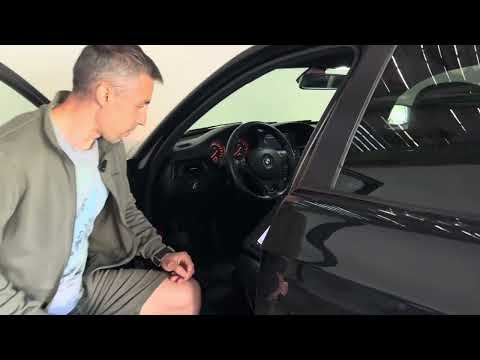
BMW X3 3.0d — Cracked DPF, EGR Faults and ECU Programming
BMW X3 3.0d with a cracked DPF, EGR-related faults and other diagnostic codes. AUTOCHIP.LV performed OBD ECU programming and a road test with datalogging.
 BMW X3
DPF
EGR
ECU diagnostics
ECU programming
OBD programming
AutoTuner
Cracked DPF
Catalytic converter
Power optimisation
Road testing
Datalogging
Dyno testing


Working on a diesel engine's ECU involves much more than reading a file and writing a modified calibration. Before changing engine management software, it is important to understand the vehicle's mechanical condition, identify existing faults and assess how its major systems are operating. This process is demonstrated in an AUTOCHIP.LV project involving a BMW X3 equipped with a 3.0-litre diesel engine.
The owner travelled from Talsi to the AUTOCHIP.LV workshop for work involving the DPF and EGR systems, along with engine performance software optimisation. During the initial checks, the technicians found fault codes relating to several different systems. Once the diesel particulate filter had been removed, they also discovered visible cracks in its internal filtering element.
Reading and Programming the BMW ECU Through OBD
On this particular BMW X3, the engine control unit could be accessed through the vehicle's OBD diagnostic port using AutoTuner programming equipment.
This avoided the need to remove the ECU from the vehicle and connect it directly to programming equipment on a workbench.
The process began with reading the available ECU software data. This information could then be used to prepare the required calibration changes before writing the modified software back to the control unit.
It is worth noting that an OBD read does not necessarily provide a complete backup of every memory area within an ECU. The available reading and programming methods depend on the control unit and the equipment being used.
The technician explains that some situations call for ECU removal and a more comprehensive backup using a direct connection. For this BMW, however, the necessary programming operations could be performed through OBD without physically removing the control unit.
Diagnostic Trouble Codes: More Than Just DPF and EGR
After reading the ECU software, the team carried out an electronic diagnostic scan. The fault list contained entries associated with several components and systems:
- Throttle valve control: faults relating to the intake air management system.
- Engine oil level sensor: a recorded issue involving the oil level monitoring system.
- Alternator: a fault associated with the charging system or its control.
- Diesel particulate filter: DPF-related diagnostic faults.
- Exhaust gas recirculation: faults associated with the EGR system.
A diagnostic trouble code does not always mean that the component named in the fault description has physically failed. Electrical issues, sensor signals, control deviations and previously stored faults can all result in diagnostic entries.
For that reason, simply replacing every component mentioned in a fault list is not an appropriate diagnostic strategy.
The technician discussed clearing the unrelated stored faults and performing another diagnostic scan to determine which codes returned and required further investigation.
The video does not confirm that the underlying throttle valve, oil level sensor or alternator faults were repaired. These were findings from the diagnostic inspection rather than completed repairs.
The Removed DPF Had Visible Cracks
One of the most significant discoveries was the condition of the diesel particulate filter itself. After removing the DPF from the BMW X3, the technician demonstrated visible cracks in its internal filtering structure.
A diesel particulate filter (DPF) is designed to capture soot and other solid particles from diesel exhaust gases. Its filtering element typically consists of a porous ceramic structure through which exhaust gases are directed.
As the gases pass through the porous walls, solid particles are retained by the filter. This is how a properly functioning DPF significantly reduces particulate emissions.
When the ceramic structure develops cracks, some exhaust gas may bypass the intended filtration path. This can substantially reduce the filter's ability to retain particles.
There is an important difference between a blocked DPF and a physically damaged one.
A filter containing excessive soot or ash deposits may, depending on its condition, be suitable for an appropriate cleaning process. However, chemical cleaning cannot repair cracks in a ceramic filtering element. Mechanical damage requires a different solution from simply removing deposits.
In this BMW X3, the cracks were directly visible after removal. The video does not establish exactly what caused the damage, such as excessive temperature, mechanical stress or an earlier regeneration-related problem.
DPF Removal While Retaining the Catalytic Converter
During the exhaust-system work, the DPF element was physically removed. The technician specifically pointed out that the catalytic converter had been retained.
These components have different functions, even when they are positioned close together or integrated into a shared exhaust assembly.
The DPF captures solid particles. A diesel oxidation catalyst, on the other hand, helps convert carbon monoxide and unburned hydrocarbons into less harmful compounds through oxidation reactions.
Retaining a functioning oxidation catalyst preserves its relevant chemical conversion function, but it does not replace the particulate filtration provided by a DPF.
The video also shows the finished appearance of the modified exhaust housing. The mechanical work appears neat externally, although visual appearance alone cannot establish exhaust tightness or other technical characteristics.
Regulatory consideration: removing a factory-fitted DPF or disabling emissions-control functions may breach vehicle inspection and public-road requirements. Retaining the catalytic converter does not establish compliance with emissions regulations after the DPF has been removed.
ECU Software Work and Performance Optimisation
The BMW X3 was also brought to the workshop for engine performance software optimisation. The video demonstrates the main programming stages, including reading the ECU file, checking diagnostic faults, preparing the software and writing it to the engine control unit.
Modern diesel ECUs coordinate fuel injection, requested torque, turbocharger operation and many other engine management functions. Performance calibration therefore requires an understanding of how these parameters interact and how the engine responds under load.
It is also important to distinguish DPF and EGR-related software changes from a performance-focused ECU remap. Although these operations may be discussed during the same workshop visit, they serve different technical purposes.
ECU programming was carried out through OBD on this vehicle. However, the video provides no exact before-and-after power or torque measurements, so no verified horsepower increase can be stated.
Why Was the BMW Not Tested on the Dynamometer?
AUTOCHIP.LV has a dynamometer available for vehicle performance testing, but the BMW X3 was not placed on the dyno during this visit.
The reason was the severe winter weather. According to the technician, outside temperatures were approximately −20°C or even lower.
Vehicles driven in these conditions can carry snow, road salt, dirt and moisture into the workshop. If these contaminants reach sensitive dynamometer components, they may create a risk of damage, including to bearings and other mechanical parts.
The team therefore decided to postpone the dyno session. The owner was expected to return for power testing at a later date when conditions were more suitable.
No dynamometer power measurement was carried out during the visit shown in the video. The later testing appointment was a plan, not a completed result.
Road Testing and Engine Datalogging
Instead of performing a dyno test, the technicians used a road test to check the vehicle's operation and record engine management data.
This process is known as datalogging. It involves collecting operating parameters from the ECU while the engine runs under real driving conditions.
Depending on the vehicle and diagnostic equipment, datalogs may include turbocharger boost pressure, fuel system values, temperatures, torque-related parameters and other useful information.
Road datalogging does not normally provide a direct, standardised measurement of engine horsepower. However, it can help technicians examine how the engine management system behaves under load and identify inconsistencies that may not be apparent at idle.
At the end of the video, the technician confirms that the BMW X3 had undergone a road test and the engine datalogs had been recorded.
The next steps were to analyse the collected information and then return the vehicle to its owner. The video does not separately document the completed analysis or provide individual logged values proving that every engine parameter was within its expected range.
Final Overview: BMW X3 3.0d Diagnostics and ECU Work
This BMW X3 project illustrates why professional ECU work involves more than simply uploading a modified file.
The AUTOCHIP.LV team read the ECU software through OBD using AutoTuner and carried out a diagnostic scan that identified faults associated with several systems. After physically removing the DPF, they discovered cracks in its filtering element while retaining the catalytic converter in the exhaust system.
ECU programming was performed, followed by a road test during which engine datalogs were recorded. Dynamometer testing was postponed because of the severe winter conditions, and the collected driving data was scheduled for further review.
The main lesson from this project is the importance of combining software work with mechanical inspection, fault diagnosis and operating-data checks. A damaged DPF, stored ECU faults and engine performance optimisation are related considerations, but each requires its own technical assessment.
The accompanying AUTOCHIP.LV video provides a closer look at the OBD programming process, diagnostic fault list, cracked DPF element and BMW X3 road-testing procedure.
Video related to this case
Watch the video for additional details about this job.
Related technical cases